
A little closer to the universe.
Astronomy Lab is a free place to explore space through experiments. It brings together interactive models, planet guides, explanations, and practice for students, teachers, and anyone who has ever looked up and wondered.
Science you can explore
Calculations run in your browser using standard astronomy relationships. Each lab states its assumptions. Diagrams emphasize understanding: distances, object sizes, colors, and time may be rescaled. This is an educational lab, not a live planetarium or a precision observing service.
Planet facts are rounded reference values. Moon phases are estimates from a mean cycle, not an ephemeris. The site does not provide live mission feeds, current planet positions, or local observing forecasts.
Sources and further reading
- NASA NSSDCA Planetary Fact Sheet — numerical planet data and reference conventions.
- NASA: About the Planets — planet background and image sources.
- NASA: Moon Phases — illumination and the lunar cycle.
- NASA: Orbits and Kepler’s Laws — orbital geometry and motion.
Your data
No account is required. Calculator inputs and quiz answers are processed on your device. Shared experiment URLs contain the chosen values. Clipboard access is used only when you choose Copy link. Google Analytics measures visits and how the site is used. There are no advertising scripts. Fonts load from Google Fonts, and your hosting provider may process standard access logs. The image library sends your search terms to NASA’s Image and Video Library API and loads its images directly from NASA. Search results are cached only in memory while the page is open.
Real images. Extraordinary places.
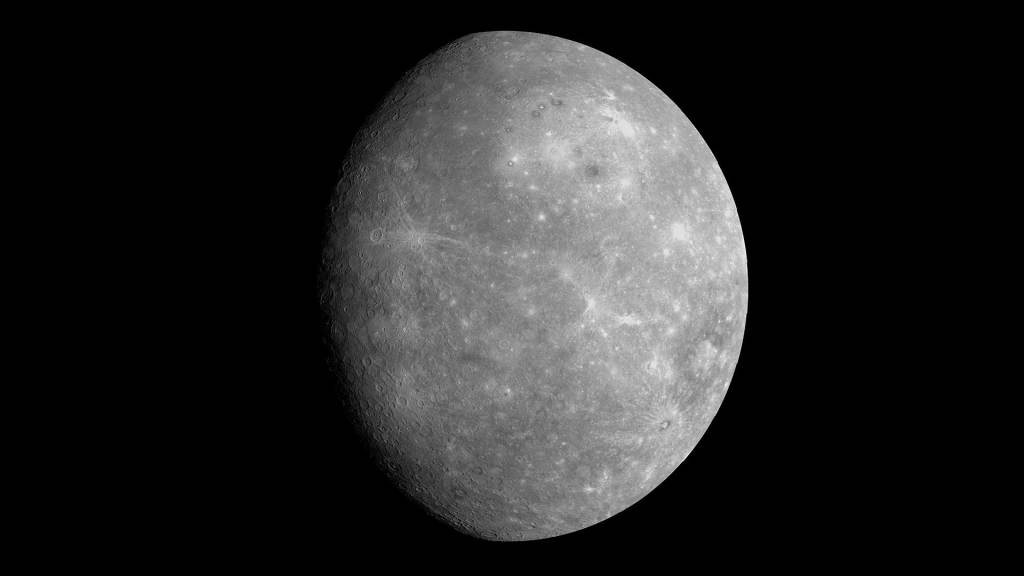
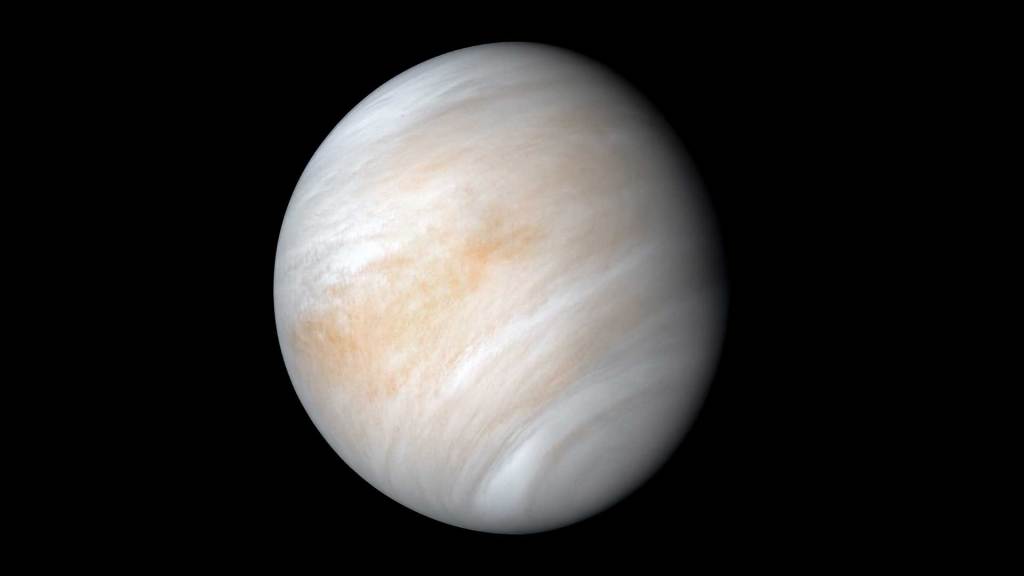
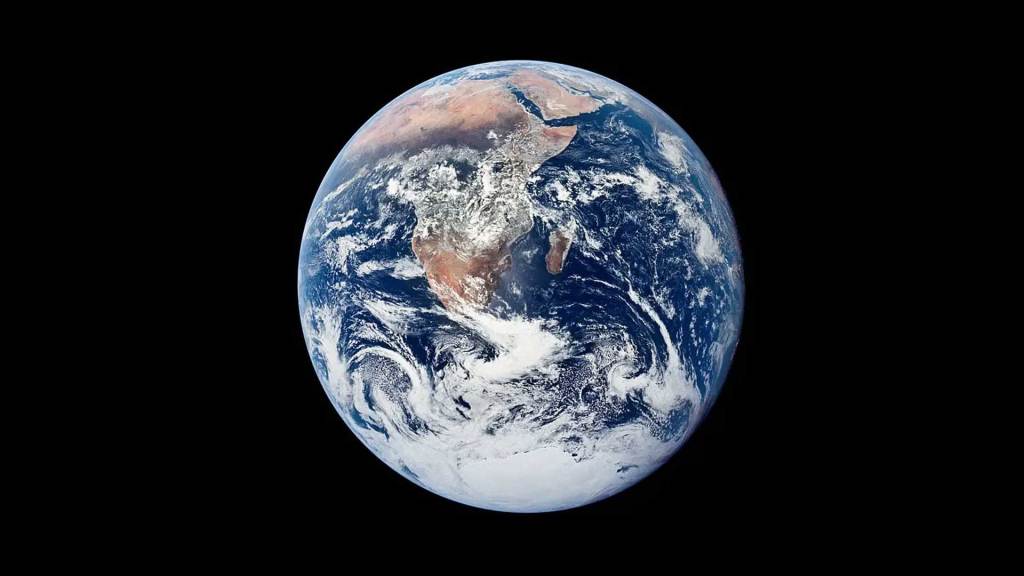
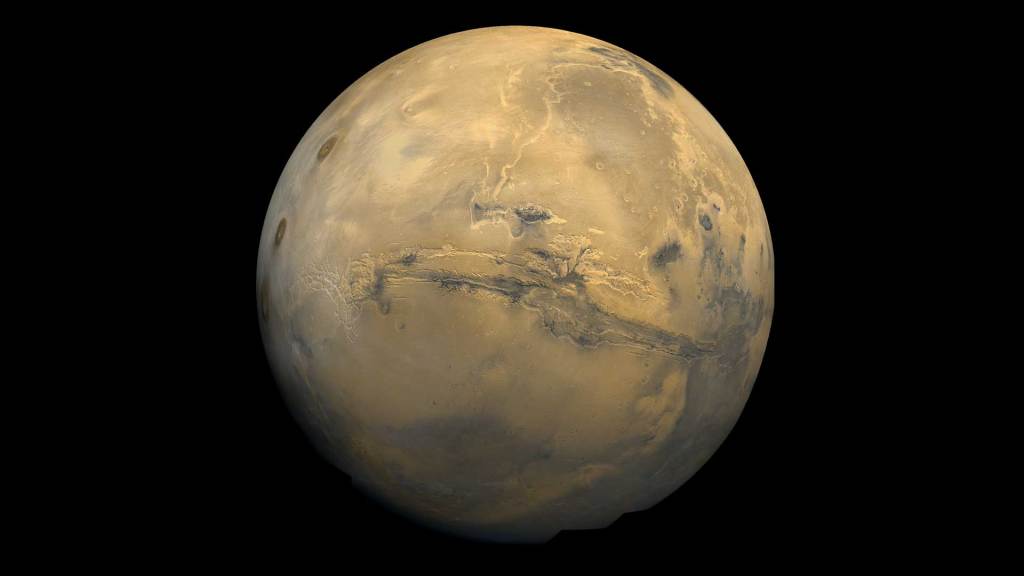
Photographs are from NASA and its mission partners. They are optimized locally for the web. Some mission images use enhanced or assigned color; they do not necessarily match the view through a human eye. NASA does not endorse this independent website.
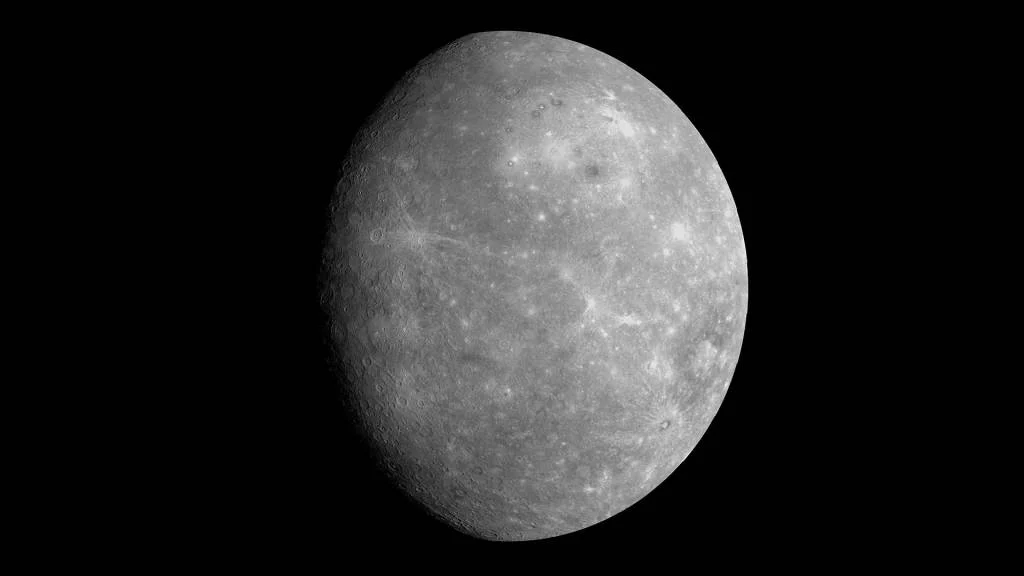
Mercury
NASA / Johns Hopkins University Applied Physics Laboratory / Carnegie Institution of Washington
Original image
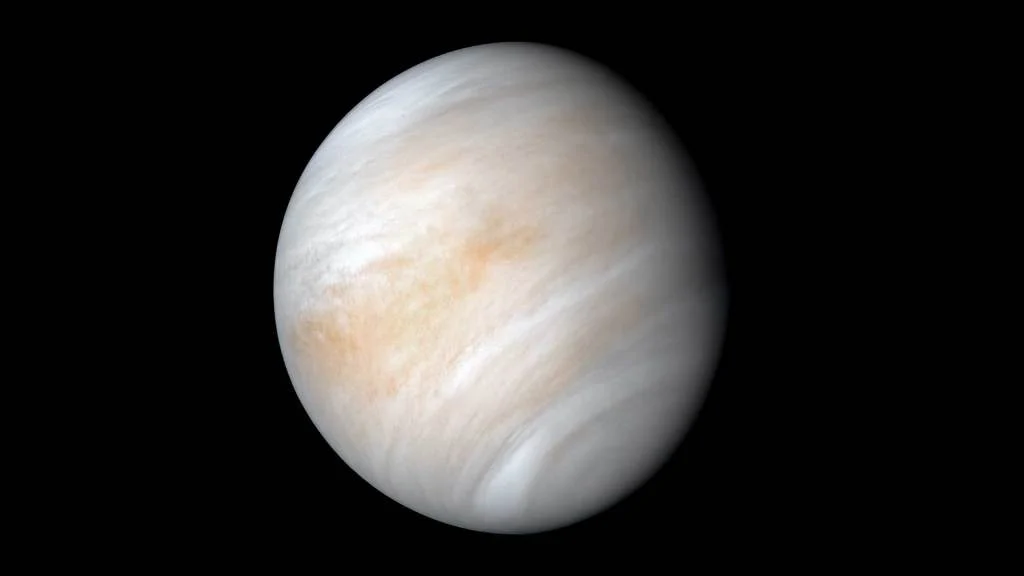
Venus
NASA / JPL-Caltech
Original image
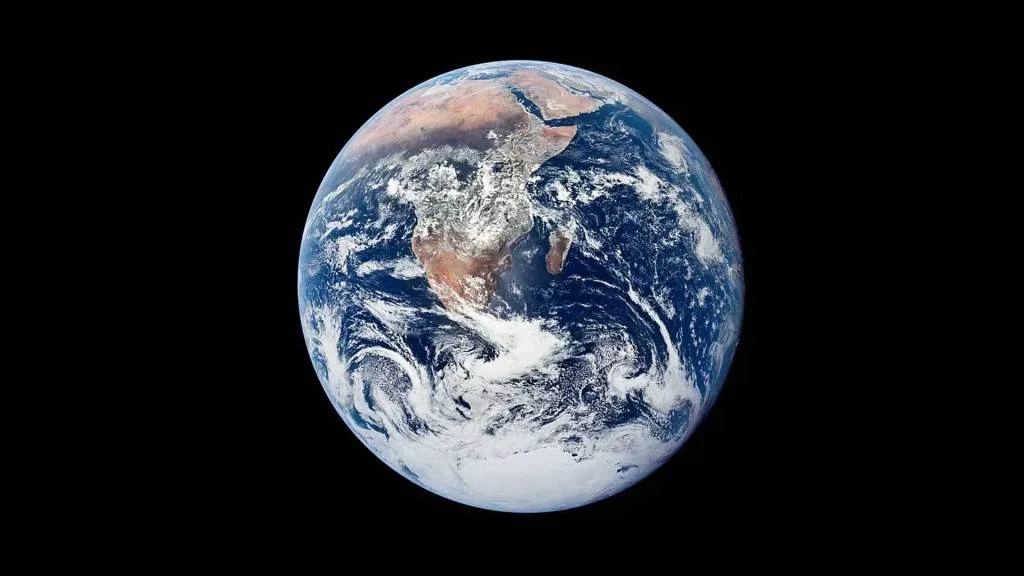
Earth
NASA / Apollo 17 crew
Original image
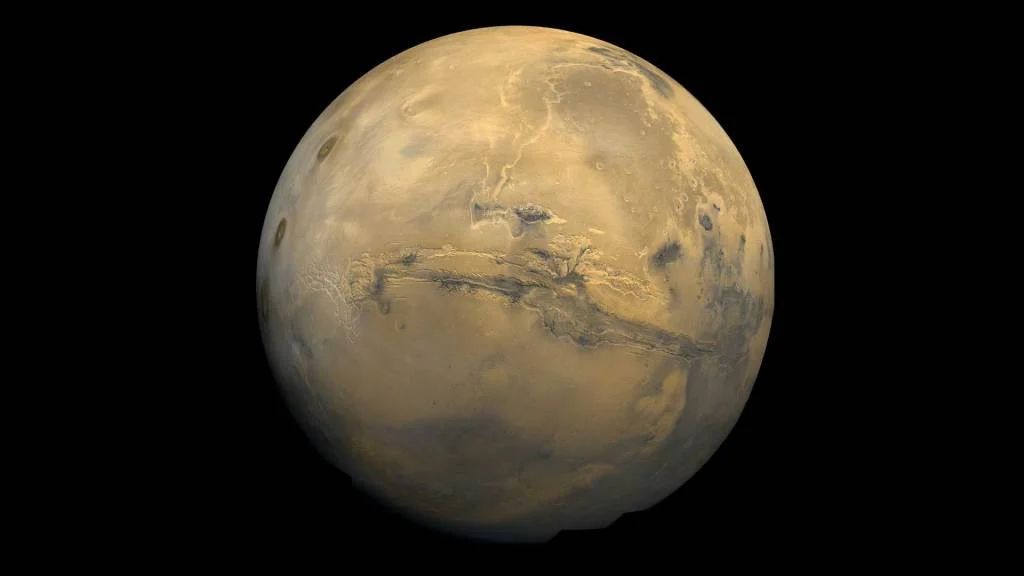
Mars
NASA / JPL-Caltech
Original image
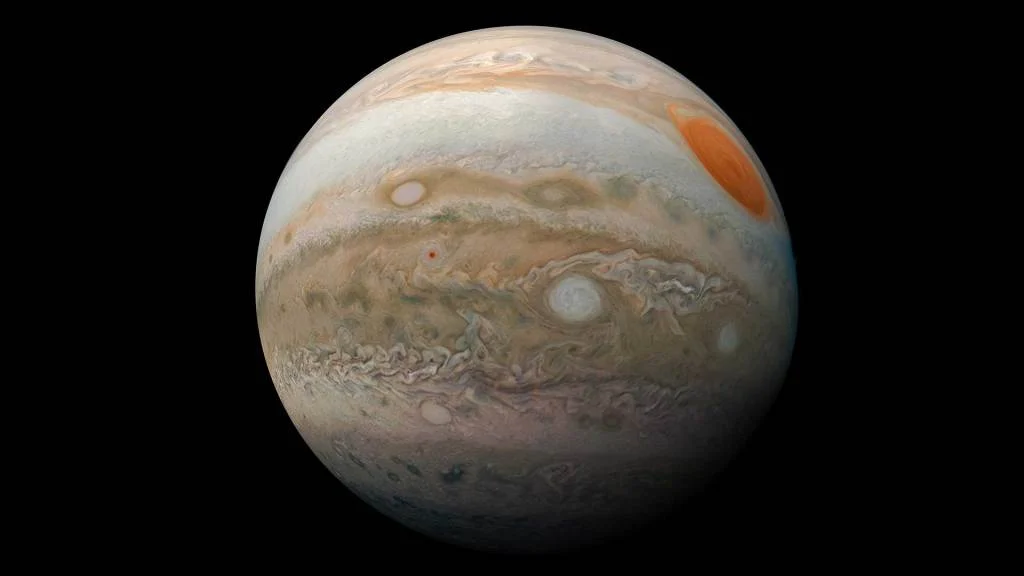
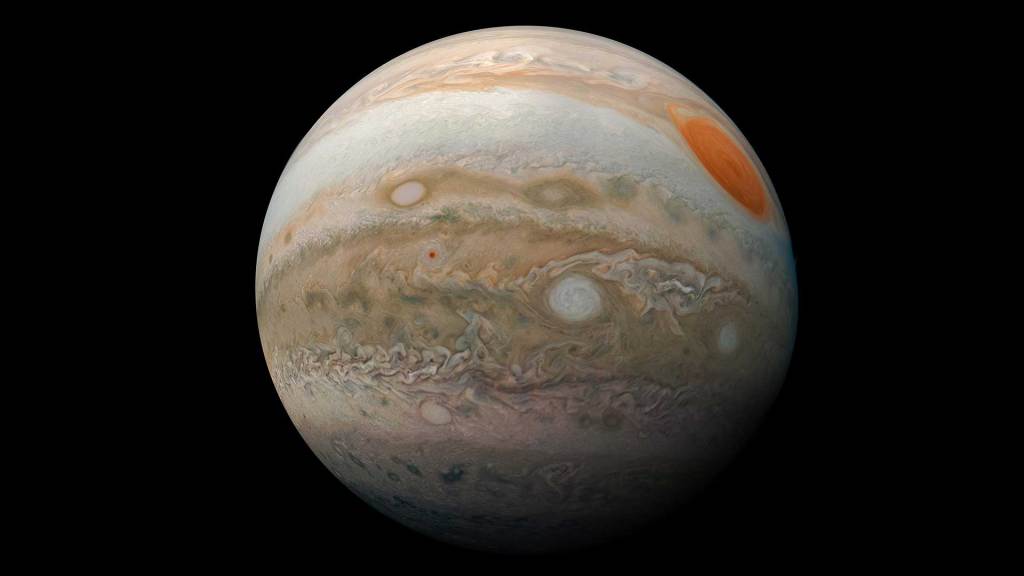
Jupiter
NASA / JPL-Caltech / SwRI / MSSS
Original image
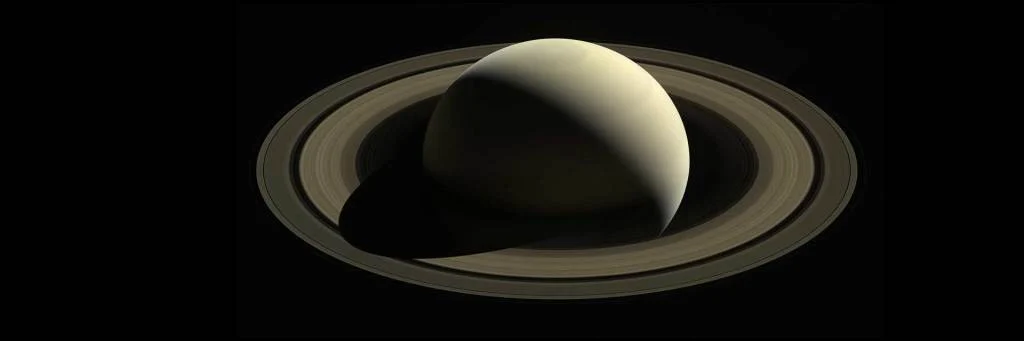
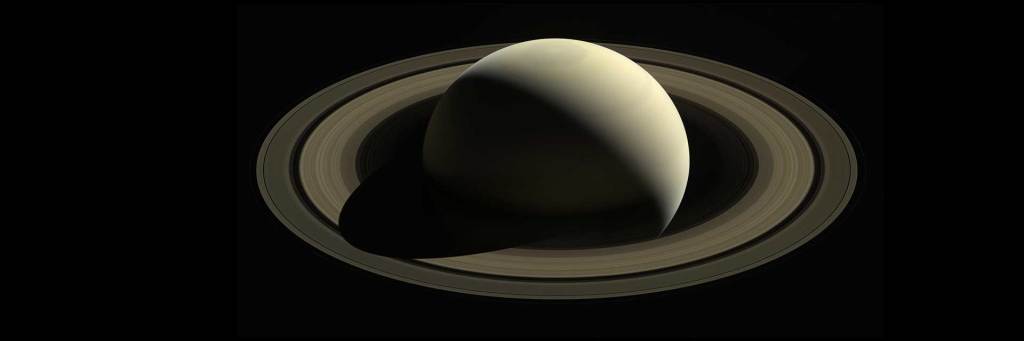
Saturn
NASA / JPL-Caltech / Space Science Institute
Original image
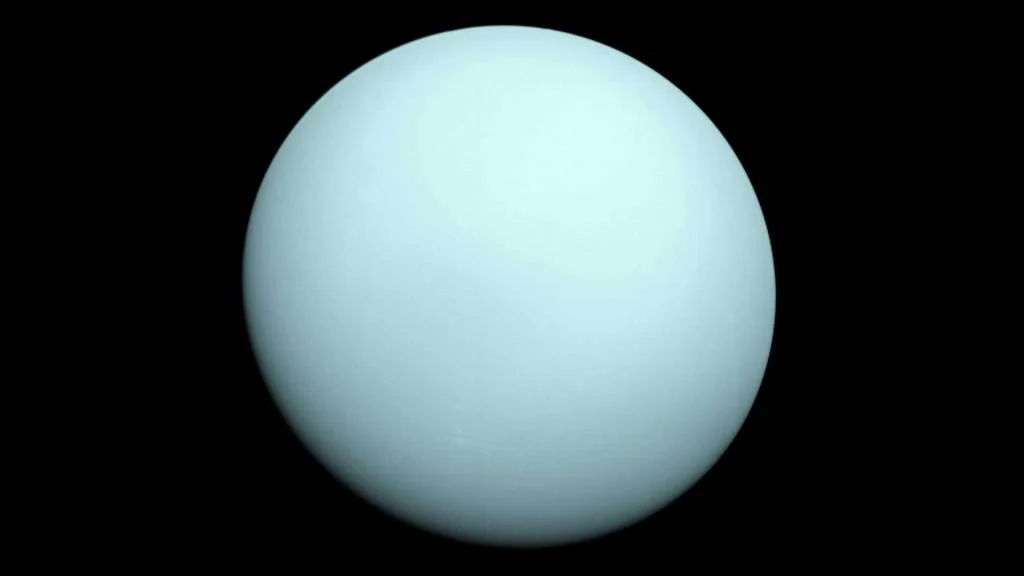
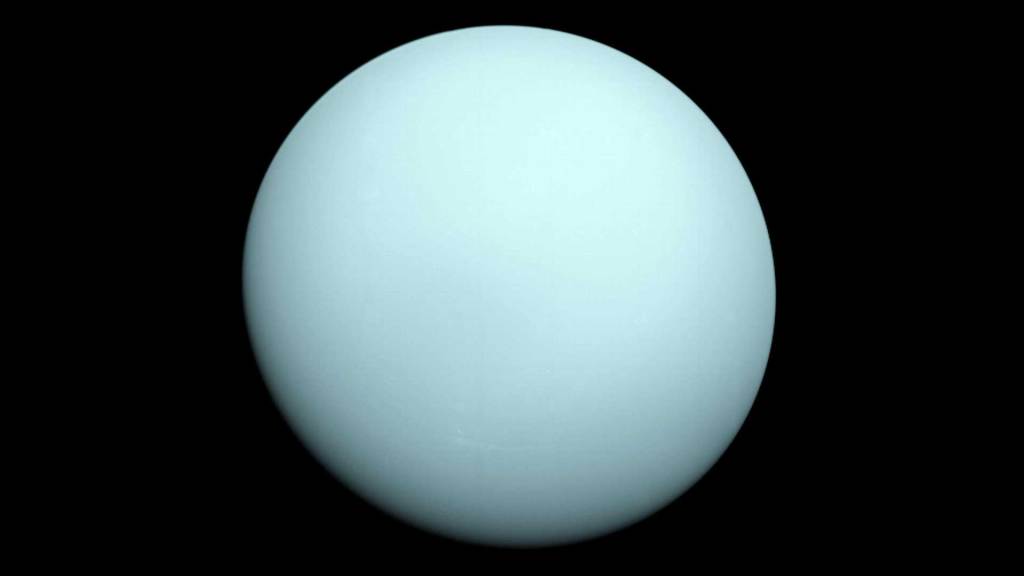
Uranus
NASA / JPL-Caltech
Original image
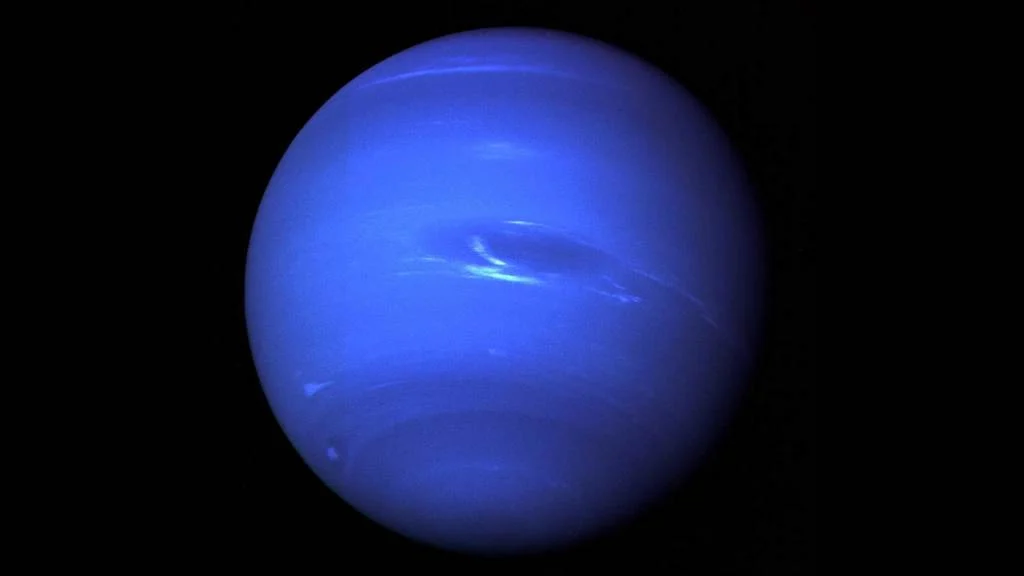
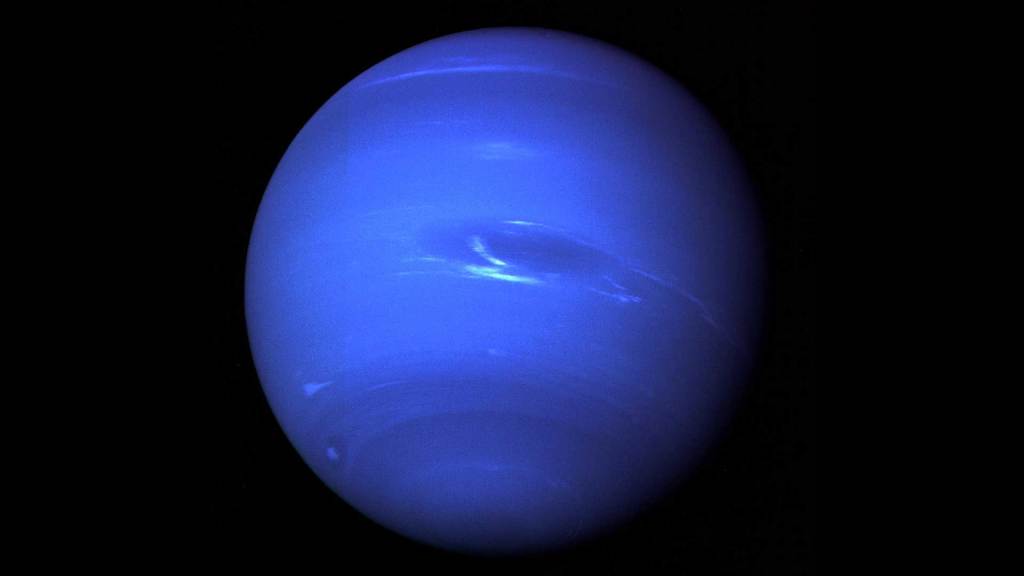
Neptune
NASA / JPL-Caltech; Voyager 2 (processed color)
Original image
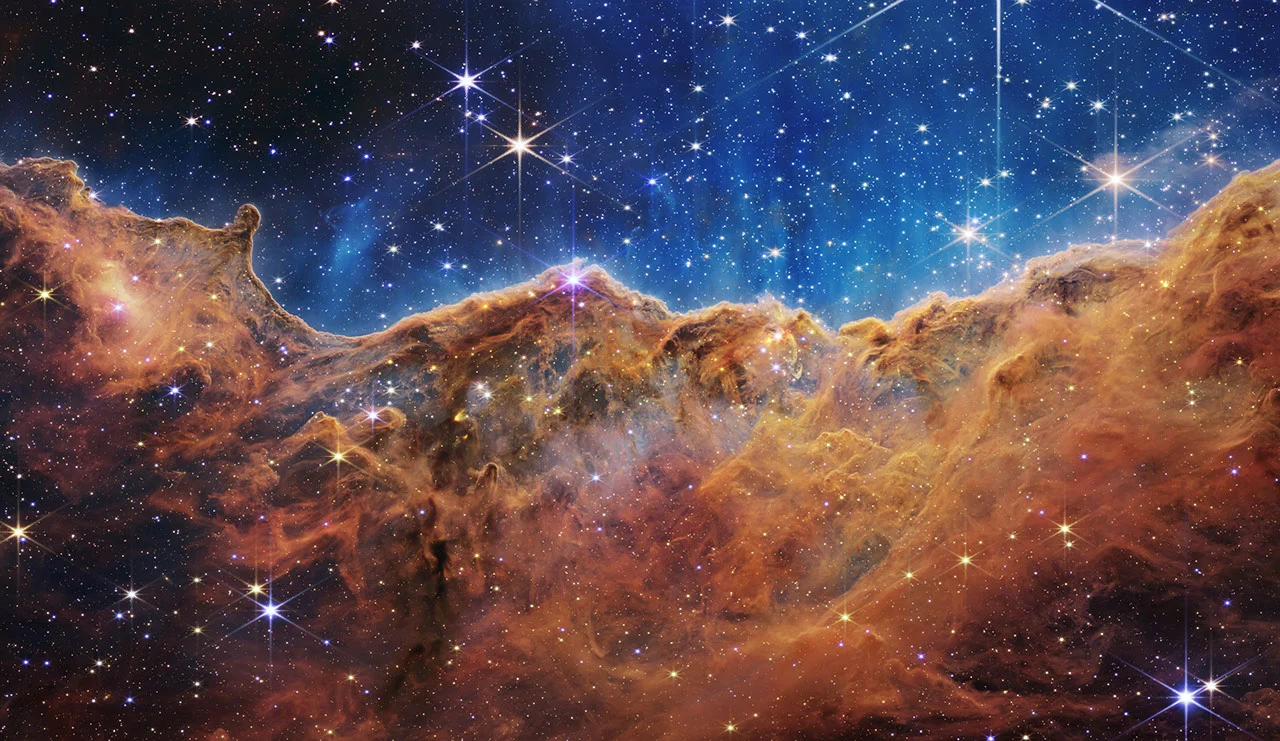
Cosmic Cliffs in the Carina Nebula: NASA, ESA, CSA, STScI. Infrared data assigned visible colors. Image and scientific context.
A note for observers
Never point an unfiltered telescope or binoculars at the Sun. Ordinary sunglasses and eyepiece-only filters do not make solar viewing safe. The telescope lab’s field preview is schematic and is not a guide to solar observing.
Help improve the lab
Have a suggestion, found a mistake, or spotted something that could work better? Email info@theastronomylab.com. Include the page link and a short description so we can take a closer look.