
Explore astronomy.
Feel the wonder.
Play with orbits. Chase a beam of light. Get to know the worlds beyond our own.
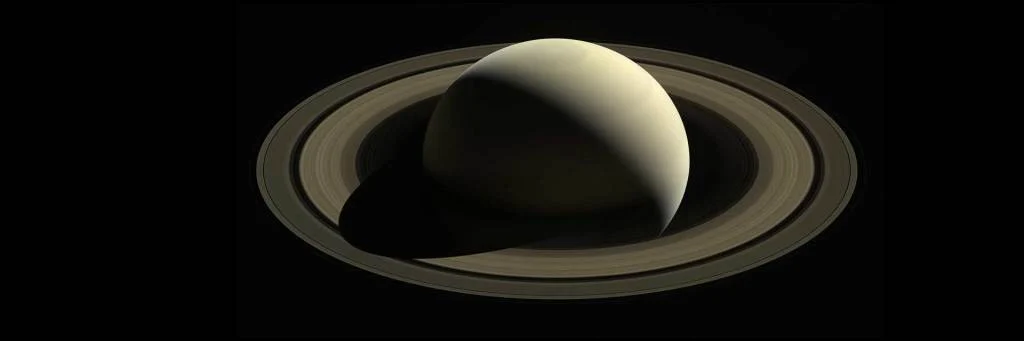
Eight worlds. Choose one to begin. Images: NASA and mission partners · Credits
Interactive astronomy labs & calculators
Change one thing. See what happens. Make a little more sense of a very big universe.
Orbit simulator
Change the shape of an orbit and discover why planets move faster near their star.
Open experiment Solar systemMoon phase explorer
Move through a lunar month and see how sunlight creates the Moon’s familiar phases.
Open experiment Deep spaceExoplanet transit
Watch a planet cross a star and reveal the dip in brightness astronomers look for.
Open experiment Deep spaceLight travel time
Discover how long light takes to cross the solar system and the distances between stars.
Open experiment StarsStar color & luminosity
Explore how a star’s temperature and radius change its color, peak wavelength, and luminosity.
Open experiment ObservingTelescope calculator
Match telescope and eyepiece to calculate magnification, exit pupil, and approximate field of view.
Open experiment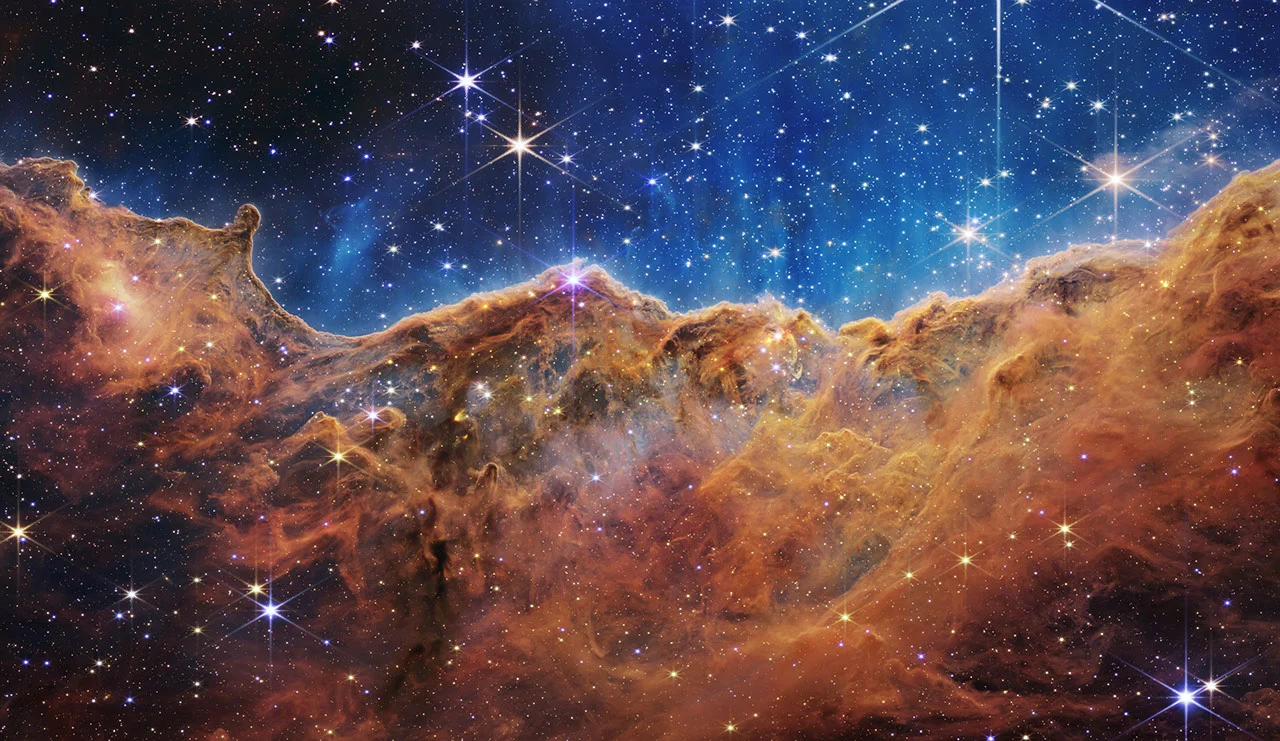
Somewhere in this dust,
a star is being born.
The universe has a story to tell. Start with light, gravity, and a few very good questions.
Explore the NASA image library ↗Cosmic Cliffs, NGC 3324 · Webb infrared imageNASA, ESA, CSA, STScI
How well do you know your universe?
Why does the Moon change shape? Which stars burn hotter? Test your intuition, then see the explanation.
Explore our learning apps
One good question leads to another. Discover more free, interactive learning tools from the same maker.
Interactive Periodic Table
Meet the elements. Explore their properties and mix compounds in the chemistry sandbox.
Explore chemistryGeometry Lab
Move a point, solve a triangle, and watch angles, shapes, and formulas make sense.
Explore mathKids Code
Guide a robot, snap code blocks together, and make your first real Python programs.
Explore codingAstronomy questions, answered
Is Astronomy Lab free?
Yes. Every experiment, planet guide, lesson, and practice question is free, with no account needed.
Are the simulations scientifically accurate?
They use standard astronomy equations and simplified educational models. Each lab explains its assumptions. Planet positions and diagrams are not a live sky map.
Can I use these tools in class?
Yes. Try the presets, change values together, share a link to an experiment, or download an SVG diagram for a lesson.
Are these real space photographs?
The planet and nebula images are sourced from NASA and its mission partners. Telescope images may use processed color or map infrared wavelengths into visible colors. Interactive diagrams are explanatory illustrations.