
Our cosmic neighborhoodEight worlds.
Eight worlds.
Endless perspective.
From sun-scorched rock to distant ice giants. Explore the planets, then compare the numbers that make each world its own.
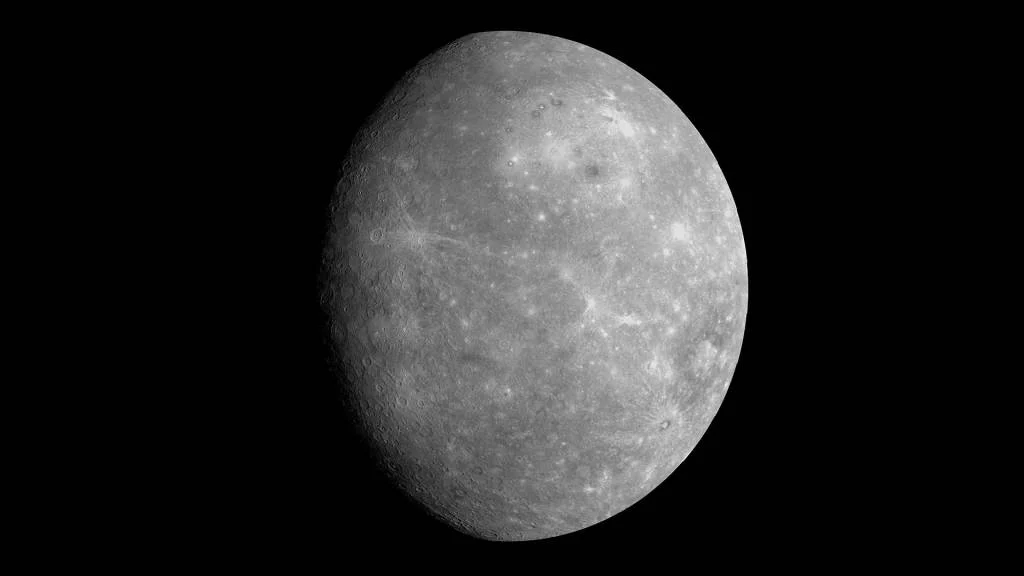
01 / Terrestrial planet
Mercury ↗
Small world. Big extremes.
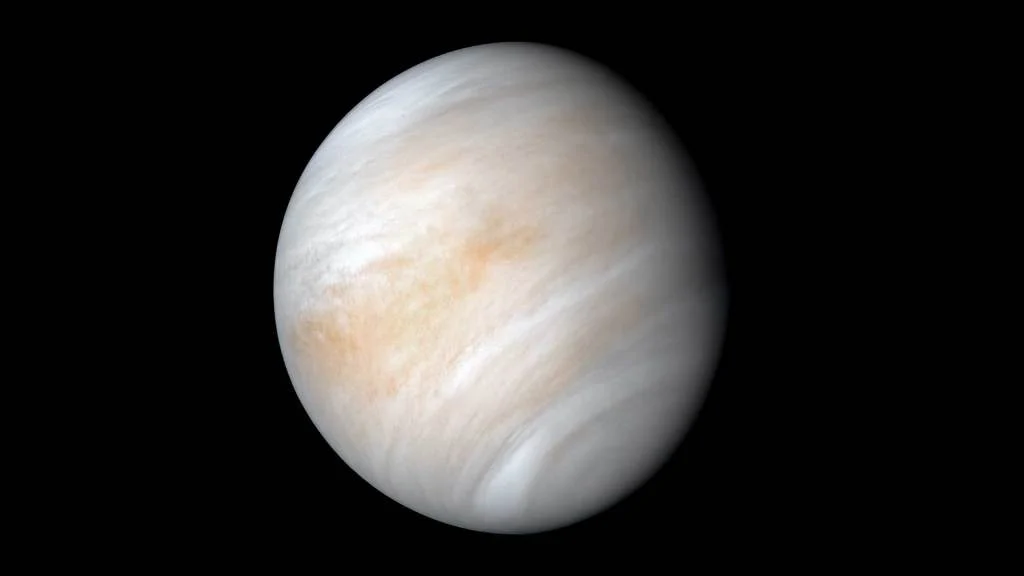
02 / Terrestrial planet
Venus ↗
Our brilliant, inhospitable neighbor.
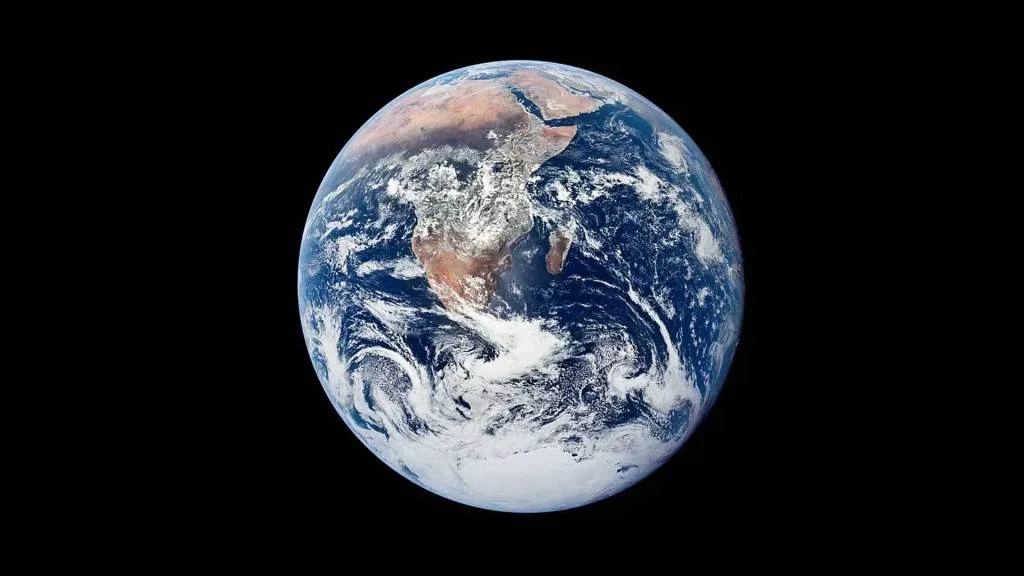
03 / Terrestrial planet
Earth ↗
The only home we have ever known.
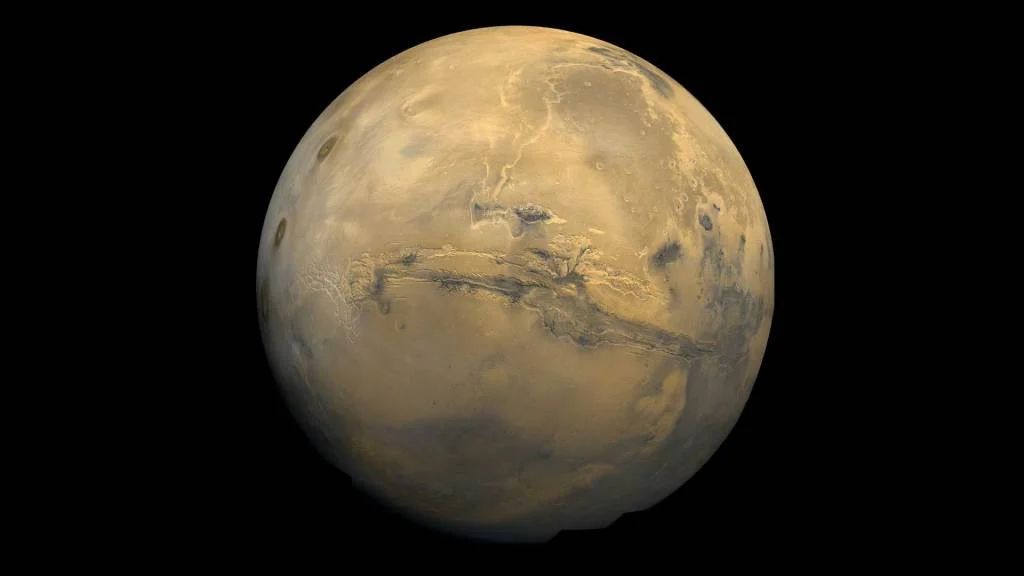
04 / Terrestrial planet
Mars ↗
A whole world of what if.
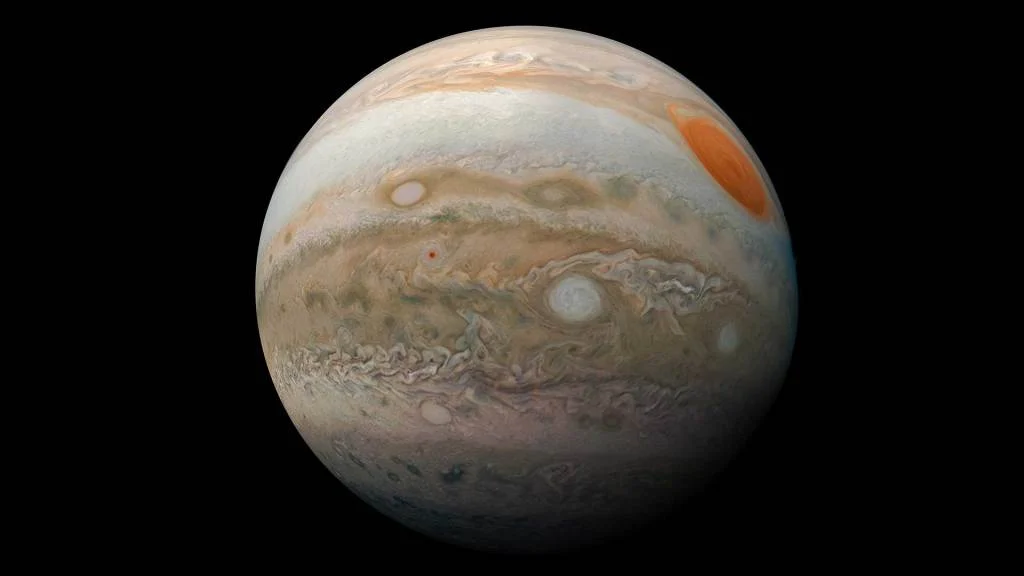
05 / Gas giant
Jupiter ↗
The giant that changes everything.
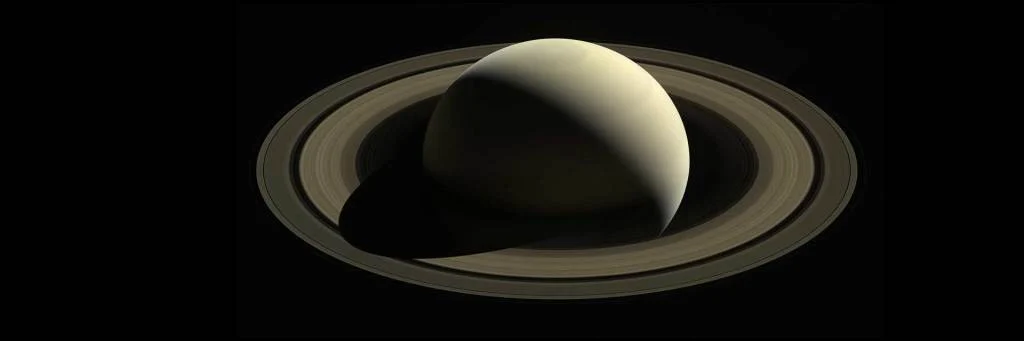
06 / Gas giant
Saturn ↗
Some worlds need no introduction.
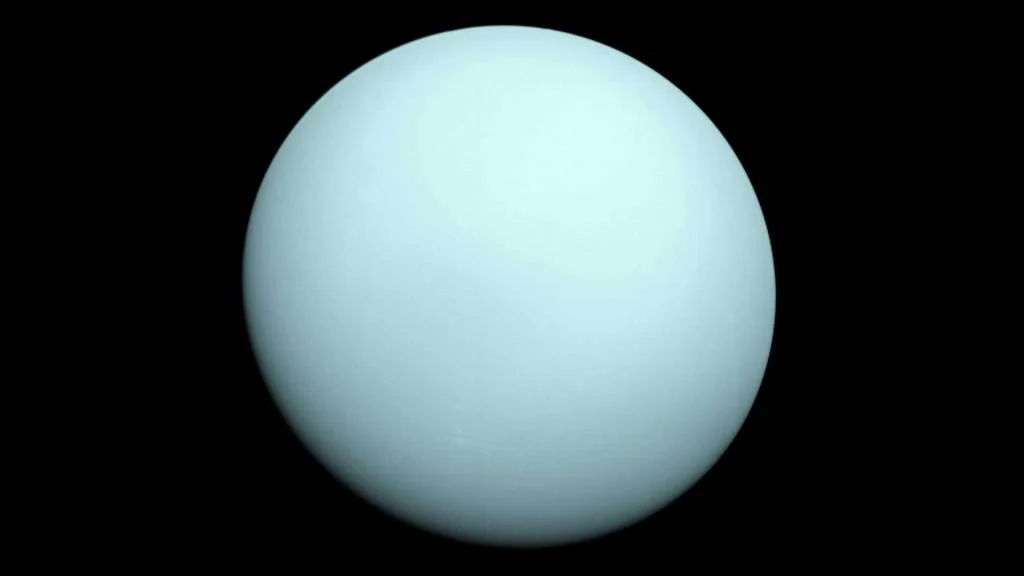
07 / Ice giant
Uranus ↗
A world turned on its side.
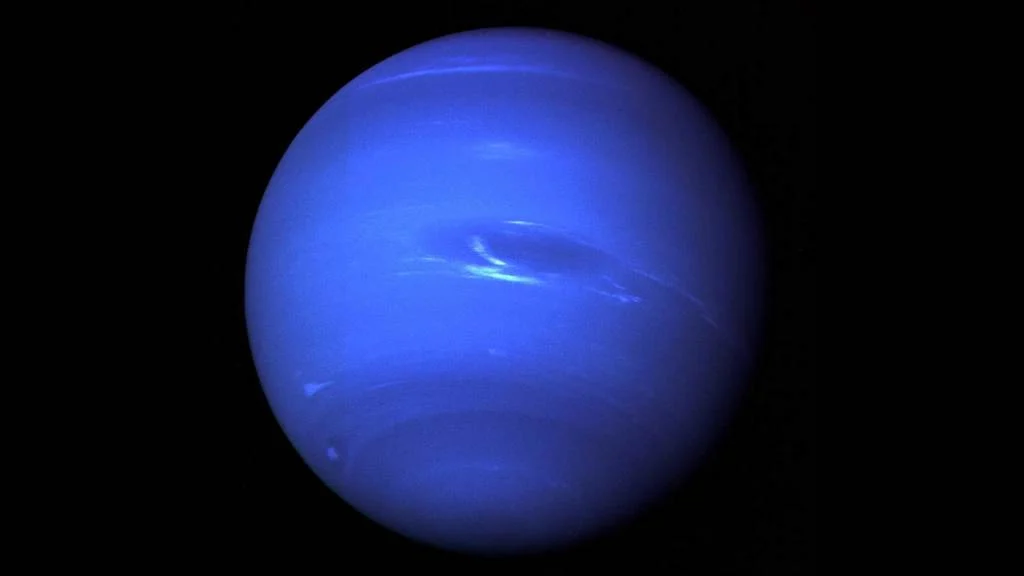
08 / Ice giant
Neptune ↗
At the edge of the planetary realm.
Put the planets in perspective
Rounded reference values. Diameters are equatorial; orbital periods are Earth days.
| Planet | Diameter (km) | Orbit (days) | Distance (AU) | Mean temperature (°C) |
|---|---|---|---|---|
| Mercury | 4,879 | 88 | 0.39 | 167 |
| Venus | 12,104 | 224.7 | 0.72 | 464 |
| Earth | 12,756 | 365.2 | 1.00 | 15 |
| Mars | 6,792 | 687 | 1.52 | -65 |
| Jupiter | 142,984 | 4,331 | 5.20 | -110 |
| Saturn | 120,536 | 10,747 | 9.57 | -140 |
| Uranus | 51,118 | 30,589 | 19.16 | -195 |
| Neptune | 49,528 | 59,800 | 30.18 | -200 |
Reference: NASA Planetary Fact Sheet. Giant-planet temperatures refer to atmospheric levels, not a solid surface.